
USC, Clemson win fight to keep NIL revenue-sharing contracts, sports split from public
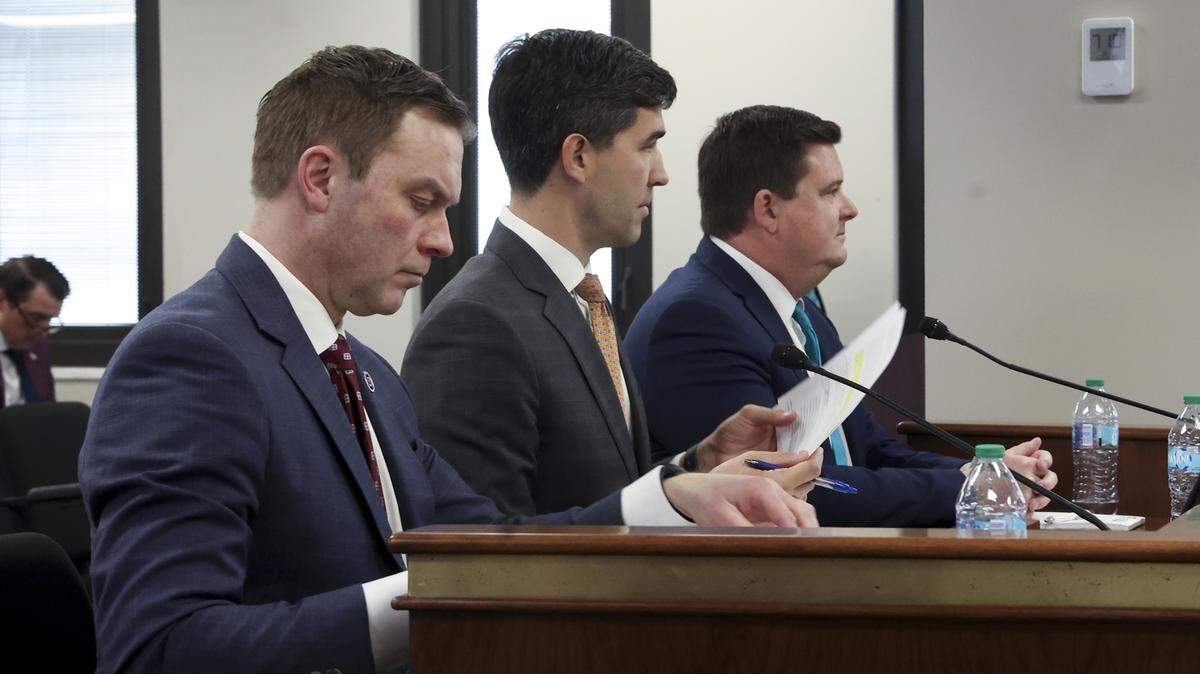
How much universities spend on contracts for both their student athletes and individual sports will be kept secret from the public despite South Carolina Gov. Henry McMaster vetoing the bill last month.
Both the state Senate and House overrode the veto, paving the way for the bill to become law without the governor’s approval.
The law would keep revenue-sharing contracts between universities, like Clemson and the University of South Carolina, and student athletes exempt from open records requirements. It would also allow colleges to shield how much it is spending on specific sports revenue-sharing contracts from the public.
In his veto message, McMaster said the provision allowing athletic programs to keep spending on each sport private went too far.
“Although there are legitimate privacy and competitive-disadvantage reasons to keep private the amount of revenue-sharing funds that a particular student-athlete is being paid, taxpayers should be able to know how much a university is spending on each of its various teams as an aggregate number,” McMaster said in his veto message.
On Wednesday, state Sen. Tom Young, R-Aiken, said allowing the public to know how much universities spent on athletes and individual sports would put them at a competitive disadvantage if not every school had to disclose payments.
“If we don’t override the veto, our in-state schools are going to be at a competitive disadvantage compared to their out-of-state peer institutions,” Young said.
Plus, the National Collegiate Athletic Association might make every school in the country disclose sports-specific revenue share payments, he said. Young told senators he believed the NCAA, based on conversations with the organization and universities, would require athletic departments’ to disclose how much they spend on each sport.
But those rules have not yet been finalized, Young said. A spokesperson for the NCAA said guidelines for financial disclosures would be finished “later this year” in an email to The State on March 13. In last year’s report, the financial report required by the NCAA breaks down university spending on athletics by sport.
Universities worry about ‘competitive disadvantage’
Advocates of the legislation, including the University of South Carolina and Clemson athletic departments, argued making revenue contracts public would prevent schools from recruiting top talent and make programs less competitive. Public contracts could also limit student athletes’ privacy, lawmakers in favor of the bill said during debates.
But others worried the bill restricted transparency and the public’s right to know about how universities’ were spending money.
Schools participating in revenue-sharing are allowed to spend up to $20.5 million this school year on payments under the NCAA settlement. The settlement allowed universities to pay student athletes for the first time.
That’s in addition to the millions private organizations or booster clubs can pay students while luring them to an athletic program.
The bill moved quickly through the General Assembly this year. It received no public hearing in the House, where it passed the bill during the first week of session 111-2 and overrode McMaster’s veto 88-22 last week. It’s sponsored by House Majority Leader Davey Hiott, R-Pickens, and had the backing of high-ranking Republican lawmakers in the chamber.
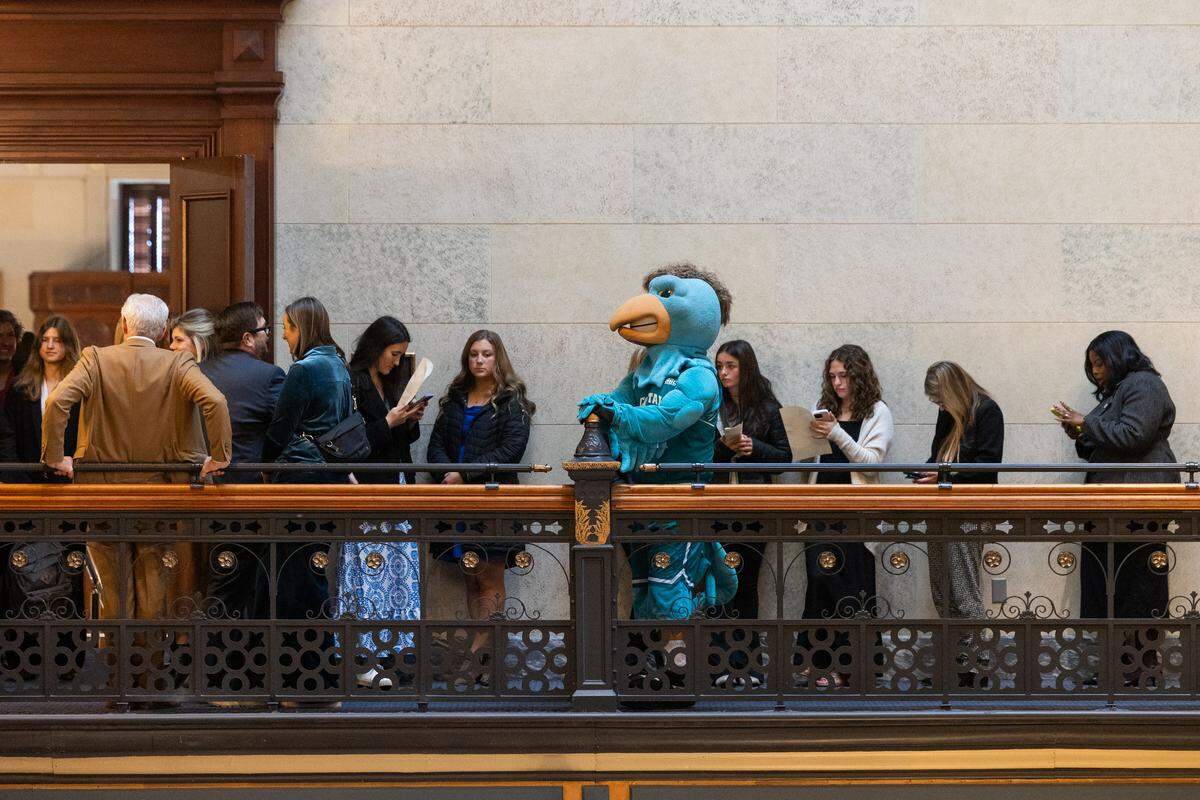
But the bill faced slightly more scrutiny in the Senate. Lawmakers held a hearing before a 30-13 vote on the measure in February. Senators then briefly held up the legislation to ask athletic directors from Clemson, USC and Coastal Carolina if any payments from tuition or state funds were made to athletes. The directors told senators they did not use those funds to pay their athletes. But as universities’ financial support for their athletics has grown in the past year, NIL revenue-sharing has also put additional financial pressures on athletic budgets, the athletic directors told lawmakers.
Senators voted 30-12 on Wednesday afternoon to override McMaster’s veto.
NIL revenue-sharing began over the summer, prompting open-records advocate Frank Heindel to ask USC how it doled out revenue-sharing money to its student athletes. Heindel later filed a lawsuit in state court last September over the public’s right to the information.
Since the universities were a party to the revenue-sharing NIL contracts, payments to athletes were public record, Heindel argued. The lawsuit was put on hold by Judge Daniel Coble of Richland County at the request of the General Assembly and USC.
Ban schools from paying athletes with ‘public dollars’?
Senators raised concerns in February about universities using public dollars, like tuition and state-appropriated funds, to pay their athletes.
The University of South Carolina and Clemson University gave millions of dollars to its athletics programs last year, according to the 2025 NCAA financial reports. That was before revenue-sharing contracts were allowed.
Athletic programs will likely receive millions more this fiscal year from universities, and state lawmakers want to make sure tuition money and state-appropriated funds aren’t used for contracts with student athletes.
A proposed one-year budget item from Young would ban state-appropriated dollars and tuition revenue from being used to pay for any revenue-sharing or Name, Image and Likeness contracts. A preliminary panel agreed to include it in the Senate’s version of the budget. The full Senate still needs to agree, and the House must concur for the provision to be included in the final budget.
During debates Wednesday, state Sen. Russell Ott, D-Calhoun, said it would be challenging to make sure “public” dollars weren’t used for revenue-sharing contracts without making such information public.
This story was originally published April 2, 2026 at 5:00 AM with the headline "USC, Clemson win fight to keep NIL revenue-sharing contracts, sports split from public."